
Top-Rated Foundation Repair Supplies For Long-Lasting Home Stability
Discover trusted repair supplies that ensure your foundation remains solid and secure over time.
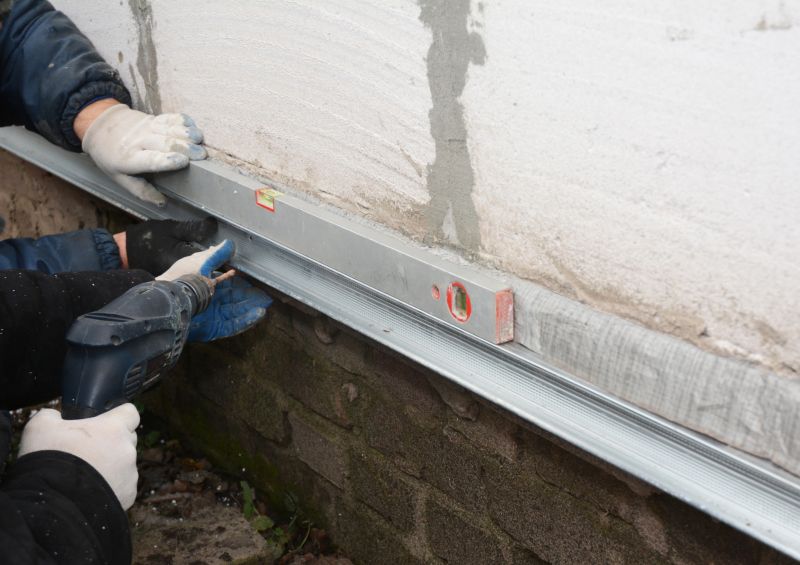 Foundation repairs are a critical aspect of maintaining structural integrity and safety for homes and buildings. Various products are designed to address different types of foundation issues, including settling, cracking, and shifting. These solutions often involve stabilization, reinforcement, or lifting to restore the foundation's proper alignment. When considering foundation repair products, it is essential to evaluate the specific needs of the property, the extent of the damage, and the compatibility of the repair method with existing structures. Proper installation and quality materials are key factors in ensuring long-lasting results.
Top Overall Option
Foundation Underpinning System
A versatile underpinning system provides a stable solution for various foundation issues by reinforcing and stabilizing the existing structure. It typically involves installing piers or piles beneath the foundation to transfer loads to deeper, more stable soil layers. This method is adaptable for different types of foundations and soil conditions, making it a comprehensive choice for many repair scenarios. Properly installed underpinning can help address settlement problems, uneven floors, and cracking, contributing to the overall safety and stability of a building.
Types of Products For Foundation Repairs
Push Piers
Push piers are driven into the ground beneath the foundation to provide support and lift the structure back to its original position.
Helical Piers
Helical piers are screwed into the soil and used to stabilize and lift foundations, especially in challenging soil conditions.
Polyurethane Foam Injection
This method involves injecting foam into soil or cracks to fill voids and stabilize the foundation.
Epoxy Injection
Epoxy is used to fill cracks and bond concrete surfaces, restoring strength and preventing water intrusion.
Steel Push Columns
Steel columns are installed to support and lift sagging or settling foundations.
Concrete Piers
Precast or poured concrete piers are used for foundation support and stabilization.
Soil Stabilization Products
These products improve soil strength and reduce shifting that can affect foundations.
Grout and Mudjacking
This technique involves injecting a grout mixture beneath the slab to lift and level a sinking foundation.
Anchor Bolts and Plates
Used to reinforce and secure foundation walls and prevent further movement.
Foundation Repair Anchors
Anchors stabilize bowing or cracked basement walls by attaching to stable soil or structures.
Drainage and Waterproofing Products
These are used to divert water away from the foundation and prevent water-related damage.
Carbon Fiber Reinforcement
Flexible strips applied to crack surfaces to reinforce and prevent further cracking.
Popular Choices
Commonly used for lifting and stabilizing foundations experiencing settlement.
Popular for their ability to adapt to various soil conditions and provide support.
Widely selected for quick stabilization of voids and minor shifting.
Frequently used for sealing cracks and restoring concrete strength.
A favored option for supporting sagging slabs and uneven floors.
Reliable for foundational support in a variety of repair situations.
Chosen to improve soil conditions and prevent future movement.
Commonly applied to lift sunken slabs and stabilize concrete surfaces.
Popular for reinforcing bowing or cracked basement walls.
Essential for managing water flow and protecting foundations from moisture damage.
In Portland, Tennessee, where soil conditions and climate can influence foundation stability, selecting the right products becomes even more important. Homeowners and contractors often look for versatile and reliable solutions that can be adapted to various scenarios. From underpinning systems to epoxy injections, the options available provide a range of approaches to foundation repair. Consulting with a foundation specialist can help determine the most suitable products for a particular situation, ensuring safety and durability.
Effective foundation repair products are designed to withstand local environmental conditions and provide structural reinforcement. They are typically made from durable materials such as steel, polyurethane, epoxy, or high-strength concrete. The installation process may involve excavation, injection, or stabilization techniques, each requiring specific tools and expertise. Investing in quality products can help prevent future issues and maintain the value of the property over time. Whether dealing with minor cracks or significant shifting, the right foundation repair products can make a substantial difference in the longevity and safety of a building.
Key Buying Considerations
- Assess the extent and type of foundation damage to determine suitable repair solutions.
- Consider the soil conditions and how they may influence product effectiveness.
- Evaluate the compatibility of the repair product with existing foundation materials.
- Check the load-bearing capacity and specifications of the repair system.
- Determine whether the product is suitable for indoor or outdoor use.
- Review installation requirements and whether professional help is needed.
- Consider the longevity and durability of the materials used.
- Ensure the product meets local building codes and standards.
- Evaluate the ease of future maintenance or inspections.
- Look into the manufacturer's reputation and warranty options.
- Estimate the overall project cost and compare different options.
- Think about the environmental conditions, such as moisture and temperature fluctuations.
- Determine if the product allows for future adjustments or repairs.
- Assess the safety features and ease of installation for DIY projects.